Car Insurance Rates by Model in Quebec: What Impacts Your Cost?
It's the car buyer's nightmare.
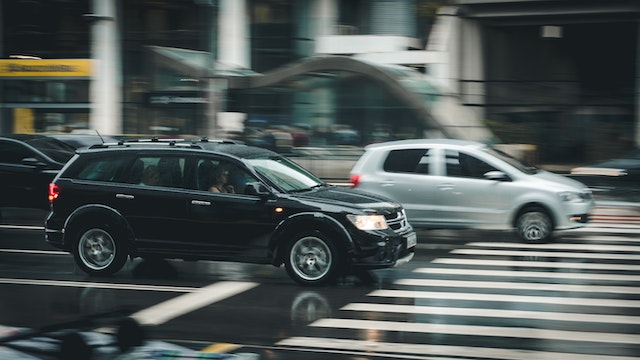
You just spent weeks negotiating, getting a great deal on the sticker price. You sign the papers, you’re excited to drive home... and then you go to get it insured. The premium you're quoted is $80, $100, or even $150 a month more than you budgeted for.
It feels like a setup. It feels opaque and unfair. You're now locked into a vehicle that is going to bleed your budget dry for the next five years.
Here is the single most important truth you need to understand, and it's the one most sellers won't tell you:
A car's sticker price has almost nothing to do with its insurance cost.
Insurers don't set rates based on what the car costs you. They set rates based on what that car will cost them in future claims. A $35,000 SUV could be hundreds of dollars cheaper to insure per year than a $30,000 sedan.
This guide is your antidote to that surprise bill. We are pulling back the curtain to show you exactly how insurers price a vehicle. We'll give you the knowledge to see the "hidden" costs upfront and, most importantly, the levers you can pull to take back control of your total monthly payment.
Key Takeaways: Your Car's 'Insurance Cost Impact' Facts
The Problem: A car's sticker price has almost nothing to do with its insurance cost. A $30k sedan can easily cost more to insure than a $35k SUV, leading to a massive, unexpected bill after you've already bought the car.
The #1 Solution: Get an insurance quote before you buy. Provide the 17-digit VIN to Panda7's smart online platform or your broker for 2-3 models you're considering. This is the only way to see the true total cost.
Why Cars Cost More: Insurers use a data-driven system (called CLEAR) to price a car's risk based on its Repair Costs (EVs, hybrids, and luxury trims have expensive, specialized parts) and its Theft Risk (high-theft models may require a mandatory $300-$400 TAG anti-theft system).
Your Control: You have the power to avoid the surprise. By quoting first, you can compare the total monthly cost (car payment + insurance) and make an empowered, budget-safe choice .
Take Control: The 4 Levers You Can Pull Before You Buy
Your choice of vehicle is the single biggest factor you can control. Here is exactly where you have power.
Lever 1: Model Choice (SUV vs. Sedan vs. Sports Car)
The body type of your vehicle dramatically changes your rate because claims data shows different risk profiles for each.
- SUVs and Minivans: These often have lower premiums. Why? Their weight and size provide better occupant protection, leading to fewer and less severe injury claims. Popular SUVs like the Toyota RAV4 or Honda CR-V benefit from this, though theft rates can complicate the picture. Minivans, such as the Honda Odyssey or Chrysler Pacifica, also typically have competitive premiums because they prioritize safety features.
- Trucks: Generally have moderate repair costs and good durability, keeping their rates competitive. The Ford F-150 and Ram 1500 are prime examples where utility meets volume, keeping parts available and repair networks accessible.
- Sedans: These can be tricky. An economy sedan like the Honda Civic or Toyota Corolla might have low repair costs, but if it's also on the "most-stolen list" (like many popular models in Quebec), the theft portion of your premium will be high.
- Sports Cars & Convertibles: These command the highest premiums, period. Insurers' data shows a direct correlation: more horsepower leads to more frequent and more severe accidents. Whether it's a high-horsepower Ford Mustang or a lightweight Mazda MX-5, the risk profile is elevated.
Lever 2: Trim, Engine & Drivetrain (The "Base" vs. "Touring" Trap)
That "Touring" or "Limited" package with the bigger engine and sunroof doesn't just add $5,000 to your car payment. It adds to your insurance payment, too.
- Engine Size: A V8 engine will always cost more to insure than the 4-cylinder version of the same model. More horsepower equals higher statistical risk and more severe accidents.
- Trim Level: A base model Honda Accord will be cheaper to insure than an Accord Touring. The Touring's premium sound system, leather seats, and advanced navigation systems are all more expensive to repair and replace in a claim.
- Drivetrain (2WD vs. AWD): This is an easy, minor lever. An all-wheel-drive (AWD) system is more complex, with more parts to damage in a collision. For this reason, a two-wheel-drive (2WD) version of the same model is generally slightly cheaper to insure due to lower potential repair costs.
Lever 3: Fuel Type (The Gas vs. EV/Hybrid Surprise)
This is a critical, and often shocking, cost that many new EV buyers overlook.
Do electric or hybrid cars cost more to insure?
Yes, they often do. While you will save a lot on gas, insurers typically charge 25-40% more for electric and hybrid models.
Why? It's not a scam. It's simple math based on repair costs:
- Specialized Parts: The high-voltage lithium-ion battery is the most expensive component in the car. If it's damaged in an accident, it can cost over $10,000 to replace.
- Specialized Labour: Not every mechanic is trained to safely work on high-voltage EV systems. This specialized (and more expensive) labour is required for even minor repairs.
- Advanced Tech: EVs are packed with expensive sensors and cameras. A simple fender-bender that costs $1,500 to fix on a gas car might cost $6,000-$10,000 on an EV.
The Bottom Line: You must get an insurance quote on an EV before you buy to understand your true total cost of ownership.
Lever 4: New vs. Used vs. Leased
- New Car (2025 Model): This is a trade-off. A new car has advanced safety features (like emergency braking), which lowers your risk of a claim. However, those same high-tech sensors are wildly expensive to repair, which increases the cost of a claim. These two factors often balance each other out.
- Used Car (2019 Model): A used vehicle is often cheaper to insure because its replacement value is lower. But beware:
- The "Carfax" Myth: Found a car with a major accident on its Carfax report? It's not necessarily a deal-breaker. On modern cars, even a "minor" fender-bender can lead to a $10,000+ repair bill because of sensors and cameras. If the vehicle has been properly repaired and certified, most insurers will treat it like any other clean-title vehicle, and your premium should not be significantly affected.
- The "Scratches & Dents" Myth: Minor cosmetic damage like scratches won't increase your premium. In fact, an insurer may just restrict your Collision/Comprehensive coverage until you get it fixed (requiring photos to confirm). This actually helps keep your initial premium lower while still allowing you to get the mandatory liability coverage you need to drive legally.
- Leased Car: This is a mandatory cost increase. When you lease, the leasing company owns the car and requires you to carry full "two-way" (Collision and Comprehensive) coverage for the entire term. You lose the ability to save money by choosing a cheaper "one-way" policy. It also requires a specific change to your policy called Endorsement 5A.
Demystified: The 3 "Hidden" Factors We Make Transparent
You've seen the levers you can pull. Now, here is the "black box" that insurers use to price your specific vehicle. We believe that by making this transparent, we can eliminate your distrust.
1. The "Black Box" Revealed: The CLEAR System
When you ask for a quote, insurers don't guess. In Canada, most use a standardized system called the Canadian Loss Experience Automobile Rating (CLEAR).
The CLEAR system is a massive database that assigns a numerical "rate group" to every single make, model, and year of vehicle based on actual claims data. It knows exactly how often a 2022 Honda CR-V is stolen, how much it costs to repair in a collision, and how often its occupants are injured.
Critically, your vehicle is rated separately for each coverage:
- Collision: How much does it cost to fix this car after an at-fault accident?
- Comprehensive: How often is this car stolen? How much does its windshield cost?
- DCPD: How much damage does this car do to other cars in an accident?
When a broker gives you a quote, they are running your vehicle's VIN through this system. This is why your premium isn't arbitrary. It's based on hard data.
2. The Safety Factor (How the IIHS Lowers Your Rate)
Insurers reward safety because safer vehicles generate fewer and less expensive claims. They check official ratings from bodies like the Insurance Institute for Highway Safety (IIHS).
Vehicles that earn top safety ratings do so because they have features like:
- Multiple airbags (frontal, side, curtain)
- Electronic Stability Control (ESC)
- Advanced Driver-Assistance Systems (ADAS) like automatic emergency braking
When you're comparing two similarly priced cars, the one with the superior IIHS safety rating will almost always have a lower insurance premium.
3. The Theft Factor (The "TAG" Problem in Quebec)
This is a critical factor in Quebec and a major source of surprise bills.
Insurers track theft data relentlessly. If you are buying a vehicle that is on their "high-risk" list (like many popular Honda, Toyota, and Lexus models), they will hit you with a double-whammy:
- Your premium for Comprehensive (theft) coverage will be high.
- They will make it mandatory for you to install an approved tracking system (like TAG) at your own expense.
This is a sudden, unbudgeted $300-$400 installation fee just to be allowed to buy insurance. If you don't install it, insurers can hit you with a “High Theft Surcharge” ranging from $500 to $1,500 per year.
Industry Trap: The Mandatory Anti-Theft Requirement
This is one of the biggest "gotchas" in Quebec auto insurance. You buy a high-risk vehicle, get a quote, and then the insurer tells you the quote is only valid if you pay $400 for a TAG installation.
Our Transparency Promise: Panda7 will always inform you if this requirement applies to the car you're considering before you finalize the quote. We show you all the costs upfront so you can make an informed decision, with no surprises.
Also, watch out for “dealer trackers”. Dealers often sell their own $500+ tracking devices, but many insurers do not recognize them. You could pay the dealer, then still be forced to pay for a TAG system by your insurer. Always verify this with Panda7's smart online platform or with your broker first.
Fact-Checked by Our Licensed Experts
This content isn't just theory. It's reviewed for accuracy by the same licensed professionals who help our customers save money every day. This is part of our commitment to "Risk Controls" and "Provenance". You can trust that our information is accurate and verified.
A Broker’s Story: The VIN Check That Saved a Buyer Hundreds
"A client was set to buy a used SUV that was on the mandatory TAG list. The $400 install fee plus the high premium completely broke their budget. They felt stuck. We had them pull the VIN from a different SUV on the same lot. It was a different brand, same price. We ran the quote. No TAG required, and the premium was $350/year cheaper. They bought that one instead. That's what we do: we provide the clarity to make a better financial decision."
Noel Feghali, President of Panda7
Your 3-Step Surprise-Proof Buying Plan
You are in control. Use this simple process to see all the costs before you commit.
Step 1: Create a Shortlist
Instead of falling in love with just one car, find 2-3 models that fit your needs (e.g., a Honda CR-V, a Subaru Outback, and a Mazda CX-5).
Step 2: Get the VIN. Get the Quotes.
This is the single most important step. Before you even test drive, ask the dealer or seller for the 17-digit Vehicle Identification Number (VIN) for each car. Use Panda7's smart platform or contact your broker to get a firm, guaranteed quote for each one.
Step 3: Compare Your Total Cost
Now you can make an empowered decision. Look at the real monthly cost, not just the sticker price.
| Car A (The "Cheaper" Sedan) | Car B (The "More Expensive" SUV) | |
| Car Payment | $450/month | $480/month |
| Insurance Premium | $210/month (High-theft model) | $175/month (Good safety, low theft) |
| TRUE MONTHLY COST | $660 | $655 |
In this real-world scenario, the "more expensive" SUV is actually the cheaper vehicle to own, month after month. You would only know this by getting an insurance quote before you buy.
Your Pre-Purchase Questions, Answered
The Quoting Process
What is the single best thing I can do to avoid a surprise insurance hike when buying a new or used car?
Get an insurance quote before you buy the car. The price of a car is not an indicator of its insurance cost. Enter the 17-digit VIN into Panda7's smart platform. In minutes, the system will give you a firm, guaranteed quote for that exact car. This lets you compare models and ensures the total cost of ownership fits your budget.
How much does my auto insurance premium change if I switch to a different car model?
The premium can change significantly. Insurers rate every specific year, make, and model based on its own claims data (theft rates, repair costs, safety record). A lower-risk vehicle can lower your premium, while one that's more expensive to repair or easier to steal will increase it.
Will my auto insurance premium be the same if I switch to a different vehicle of the same age and price?
Not necessarily. Each specific vehicle model has its own risk profile based on historical claims data. One 2021 sedan might have a high theft rate, while another has very low repair costs. Your premium will be adjusted based on the unique statistics of the new vehicle.
Why did my insurance premium jump at renewal even though I have a clean record?
This is frustrating but common. Even if your record is perfect, your rate can increase if the Territory Risk in your postal code rises (more thefts or accidents in your neighborhood) or if inflation drives up the cost of parts and labor across the market. These are factors outside your control that insurers must pass on.
The CLEAR System & Core Factors
What exactly is the CLEAR system, and how does it affect my insurance quote?
In Canada, most insurers use the Canadian Loss Experience Automobile Rating (CLEAR) system to determine vehicle premiums. CLEAR assigns "rate groups" to each vehicle make, model, and year based on actual claims data. A lower CLEAR ranking means lower risk and lower rates. Critically, CLEAR evaluates your vehicle separately for each coverage type (collision, comprehensive, etc.). This is why your premium isn't arbitrary. It's based on hard data.
Why do luxury cars and sports cars cost so much more to insure?
For three main reasons:
- Repair Costs: Specialized parts (often imported), advanced sensors, and the need for factory-trained technicians drive repair bills dramatically higher than for standard vehicles.
- Performance: More expensive engines and performance features correlate with higher accident severity and more complex repairs.
- Risk Profile: Some high-performance vehicles attract drivers who are statistically more likely to engage in risky driving, increasing accident frequency.
Do trim levels and optional equipment features affect my insurance premium?
Yes, they can meaningfully affect your premium. Higher trim levels of the same model cost more to insure because they include more expensive features (upgraded engines, leather, advanced tech). A base model will cost less to insure than a premium trim because it is less expensive to repair if damaged.
What are the safest vehicle types to insure, and why do safety ratings lead to lower premiums?
Insurers reward safety because safer vehicles generate fewer and less expensive claims. Vehicles earning top ratings from the IIHS (Insurance Institute for Highway Safety) typically feature multiple airbags, electronic stability control, and advanced driver-assistance systems (ADAS). Manufacturers like Mazda and Hyundai Motor Group (Hyundai, Kia, Genesis) consistently lead the industry in these awards. When comparing two similarly priced vehicles, the one with the superior IIHS safety rating will almost always have a lower premium.
How do engine size and horsepower affect insurance premiums?
Larger engines with more horsepower directly correlate with higher insurance premiums. Statistical data shows that drivers of high-performance vehicles are more likely to be in more severe accidents. A sports car with a V8 engine will cost significantly more to insure than a sedan with a standard engine.
How does my vehicle's body type (sedan, SUV, truck, minivan) affect my insurance rate?
Insurers differentiate premiums because claims data shows different risk profiles for each body type.
- SUVs and Trucks: These often have lower premiums because their weight and size provide better occupant protection, resulting in lower injury rates. This applies to staples like the Ford F-150 or Ram 1500.
- Minivans: These typically have competitive premiums because they prioritize safety features, seen in models like the Chrysler Pacifica.
- Sports Cars & Convertibles: These command the highest premiums due to performance focus, lighter construction, and higher repair costs. This is the reality for owners of vehicles like the Ford Mustang.
New vs. Used Vehicles
Does buying a used car versus a new car affect my insurance costs?
Yes, but the relationship is nuanced.
- Newer Vehicles often cost more to insure because they have a higher market value and more expensive technology (sensors, cameras) to repair. However, their advanced safety features can partially offset this cost.
- Used Vehicles are cheaper to replace, but if they lack modern safety features or have high theft rates, their insurance can still be high.
I found a used car with a major accident on its Carfax report. Will this make it impossible to insure or very expensive?
Not necessarily. On modern cars, even a "minor" fender-bender can lead to a $10,000+ repair bill because of expensive sensors and cameras. A single high-value repair on the Carfax does not automatically mean the car is a "rebuilt write-off". If the vehicle has been properly repaired and certified, most insurers will treat it like any other clean-title vehicle, and your premium should not be significantly affected.
Will minor cosmetic damage on a used car, like scratches or dents, increase my insurance premium?
No, quite the opposite. Insurers are primarily concerned with mechanical safety, not cosmetics. Minor, pre-existing damage will not increase your premium. An insurer may simply restrict Collision and Comprehensive coverages until you have the repairs done (and require photos to confirm).
What happens to my insurance rate if I lease a vehicle versus buying it?
Leasing has significant insurance implications. Leased vehicles always require full coverage (collision and comprehensive) because the leasing company owns the asset and must protect it. This means leased vehicles typically have higher insurance costs simply because you cannot choose a cheaper, liability-only ("one-way") policy. However, comparing quotes for different models allows you to find this mandatory full coverage at a premium that fits your budget.
Special Vehicle Types & Rules
Do electric or hybrid cars cost more to insure than gas cars?
Yes, they often do. While you save on gas, insurers typically charge more because their specialized parts (like batteries and sensors) and the need for specially trained mechanics make them more expensive to repair after an accident.
Why do electric and hybrid vehicles cost so much more to insure? (The Deeper Dive)
This is a shock for many new EV buyers, but it's based on actual repair data.
- High-Cost Parts: EV batteries, motors, and advanced sensors are specialized and expensive. A battery replacement alone can exceed $10,000.
- Specialized Labour: Repairs require specially trained technicians, making labour more time-consuming and expensive. In Canada, an electric vehicle typically costs about 37% more to insure than a comparable gas car. It is essential to get an insurance quote for an EV before you buy.
Can an auto insurer force me to install an anti-theft device like a TAG system on my car?
Yes, for certain vehicles, they can. While a TAG system is often an optional discount, insurers will make it mandatory for specific models that have a high rate of theft in Quebec. If you are buying a vehicle on this high-risk list, such as a Toyota RAV4, Honda CR-V, Jeep Wrangler, or Lexus RX, the insurer will require you to have an approved tracking system installed (at your own expense, typically $300-$400) before they will agree to insure it against theft.
What role do anti-theft devices play in my premium?
For high-theft models, they are mandatory. For most other cars, they are an optional discount. However, this discount is often small (5-25%). With an installation cost of $300-$400, it may take many years to break even on the cost. Panda7's smart platform will always verify if a mandatory anti-theft device applies to the car you're considering.
Are there Quebec-specific factors that affect how my vehicle is rated?
Yes. The CLEAR system is national, but insurers apply regional modifiers based on local loss experience. Because of higher population density, Montréal has higher rates for theft and collision claims than rural Quebec. Quebec's winter conditions also create seasonal risk factors. Finally, insurers track Quebec-specific theft patterns, so a model that is a high-theft target in Montréal might not be in another province.
If I add a small utility trailer to my auto insurance policy, will my premium jump?
Not at all. Adding a basic utility trailer to your auto policy has a minimal impact on price. In one example, it added only $37 per year to the premium. It's a very low-cost addition.
Get the Full Cost-Cutting Playbook.
You've learned how your vehicle choice impacts your price. Now get the expert-approved plan to lower it. Get actionable strategies, discount checklists, and insider tips from Quebec brokers sent straight to your inbox.
Continue Your Research
You now have the expert knowledge to see how your vehicle choice directly impacts your insurance premium. You're ready to make a smart, empowered decision and avoid any post-purchase surprises.
- To learn about the rules for activating your policy, see our guide on How to Activate Auto Insurance in Quebec: A Step-by-Step Guide
- To see how your record and location fit in, Explore the full premium formula
- For a complete overview, visit our main pillar page: The Principles of Quebec Auto Insurance Cost Control
Data Sources & Methodology
Panda7 is committed to radical transparency. The information on this page regarding vehicle risk and rating is sourced from official industry data and regulatory bodies.
- Source 1: Insurance Bureau of Canada (IBC) - The provider of the Canadian Loss Experience Automobile Rating (CLEAR) system, the standardized database Canadian insurers use to rate vehicle risk based on real claims data.
- Source 2: Insurance Institute for Highway Safety (IIHS) - The independent, non-profit organization that provides industry-standard vehicle safety ratings, which insurers use to assess risk.
- Source 3: Groupement des assureurs automobiles (GAA) - The Quebec organization that manages auto insurance claims data and statistics specific to the province.